
Market Report 22.05.2026
Osterhorn, Friday, 22.05.2026
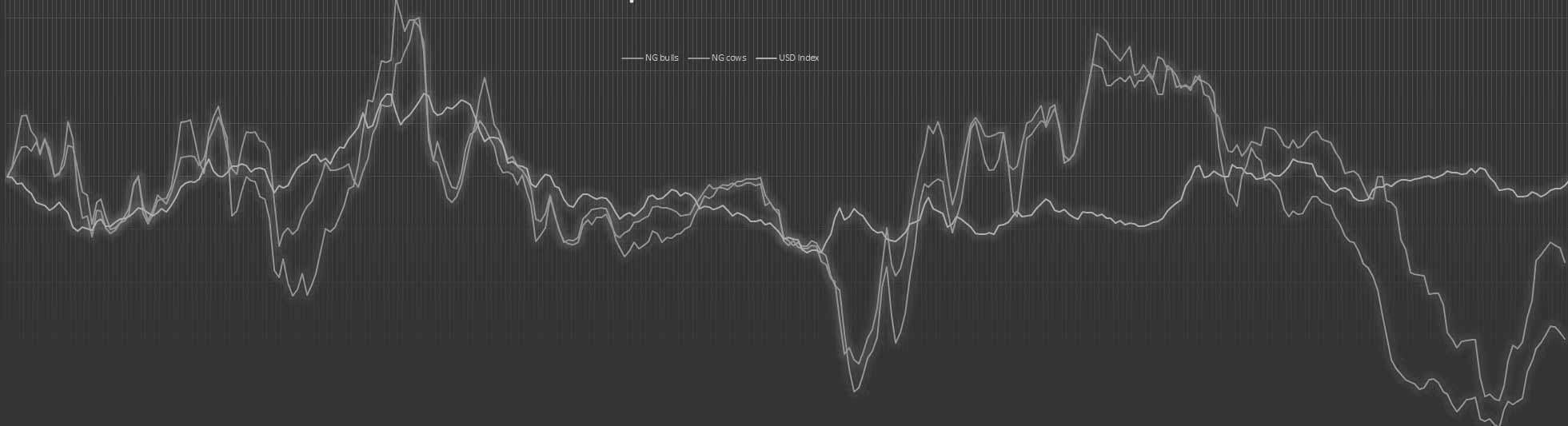
The US $ in EURO:
What happened this week
Business activity remained rather quiet again this week. From Asia, the familiar picture continues to emerge: buyers try to conclude business two to three dollars below asking prices, sometimes within narrower ranges as well. Once some business has been done, they tend to withdraw again. As a result, small volumes are concluded week after week, but for larger quantities the price levels are currently not attractive enough from the sellers’ point of view. At the same time, slaughter numbers are not particularly high, so there is no immediate pressure on the supply side to sell. Consequently, little changes in the behaviour on either side. In Asia, there appears to be no urgent need to buy raw material at higher prices, while on the selling side there is equally no pressing need to move larger quantities. In Europe, the situation is more differentiated. For lighter and female material, there is hardly any stable market left in leather production; if anything, this material tends to move more into collagen production. The situation is quite different for heavy bull hides. Here, the low slaughter numbers are now reflected in a supply situation that no longer seems fully sufficient for certain qualities. Premium suppliers are using this position to test, week by week, to what extent higher prices can be achieved. This is succeeding in small steps, but only for the respective premium articles. It certainly does not apply to other product ranges. This is precisely where one of the central problems of the current market becomes visible. For material with higher added value, demand remains stable, and these leathers can only be produced from very specific raw hide types. Tanneries therefore have few alternatives when it comes to switching to other raw material. Thickness, size and selections cannot simply be achieved from alternative raw materials. This gives sellers in individual product groups a comparatively strong position, one that has not been seen in the market for a long time. However, it does not solve the fundamental problem that not all selections can be produced from these hides and sold profitably. The fact remains that out of one hundred hides put into work, perhaps only fifty or sixty will ultimately become leather that can actually be sold at adequate prices. So far, often these higher value-added selections plus the split return have been sufficient to finance the overall package. Whether this can be maintained in the long term, especially if raw material prices for these specific articles continue to rise, remains to be seen. It seems unlikely. A clearly rising demand for leather overall is neither visible nor to be expected in the short term, given the current geopolitical environment and consumer behaviour. Therefore, little changes in a market situation that has essentially accompanied us for almost a year or more now. Overall, the week was not particularly active, but at largely unchanged prices it was possible to sell sufficient material within a manageable framework.
The kill
The kill remains at a very low level. The public holidays continue to leave their mark, as does the weather, and beef sales in food retail are currently unsatisfactory. This continues still to be reflected in falling prices for live cattle, but it does not solve the actual problem. On the one hand, there are larger stocks in chilled and frozen storage that cannot be sold at production cost levels. On the other hand, demand is not sufficient to really utilise the capacities of the slaughterhouses. What will be particularly interesting over the coming weeks is the livestock count in Germany. This should make it easier to assess whether lower prices may eventually lead to higher slaughter numbers again, or whether, although rather unlikely, there has been a meaningful reduction in the herd that would result in structurally lower slaughter numbers. At the moment, there is some hope that warmer weather could support the start of the barbecue season. However, beef has never really been the main driver of meat demand when it comes to barbecuing in Germany. The main volumes traditionally come from pork and poultry. Accordingly, the barbecue season alone should not be expected to bring quick relief to the beef market.
What do we expect
For the coming week, which will again be shortened by a public holiday, we do again not expect any fundamental change in the market situation. Sellers will try to push through further price improvements for scarcer and more sought-after selections. At the same time, the pressure on material that moves more into commodity segments will not disappear. This is not new, but rather describes the market split that has existed for some time. Individual premium articles remain in demand and can tend stable to firmer in price, while large parts of the offering continue to suffer from weak demand, limited usability and a lack of momentum. The large stocks of semi-finished products sitting all over do not help either. In the short term, there is no indication that this will change. What consequences this phase will have as we now move into summer is something we will all find out over the coming months.
Price Table
| Type | Weight range | Avg. green weight | Salted weight | Avg. weight salted | Price per kg | Trend |
|---|---|---|---|---|---|---|
| Ox | Heifers | 15/24,5 kg | 22,0/23,5 kg | 13/22 kg | 20/21 kg | € 0,80 | stable |
| 25/29,5 kg | 27,5/28,5 kg | 22/27 kg | 25/26 kg | € 0,60 | Stable | |
| Dairy cows | 15/24,5 kg | 22,5/23,5 kg | 13/22 kg | 20/21 kg | € 0,50 | Weakish |
| 25/29,5 kg | 27,5/28,5 kg | 22/27 kg | 25/26 kg | € 0,50 | Weakish | |
| 30/+ kg | 33,5/35,5 kg | 27/+ kg | 29/31 kg | € 0,50 | Weakish | |
| Bulls | 25/29,5 kg | 27,5/28,5 kg | 22/27 kg | 25/26 kg | € 0,80 | Stable |
| 30/39,5 kg | 36,0/37,0 kg | 24/34 kg | 31/33 kg | € 0,80 | Stable | |
| 40/+ kg | 45,0/48,0 kg | 34/+ kg | 38/40 kg | € 0,85 | Stable | |
| Thirds | 15/+ kg | 25,0/27,5 kg | 13/+ kg | 24/26 kg | € 0,35 | Stable |
| Thirds bulls | 30/+ kg | 38,0/40,0 kg | 24/+ kg | 33/36 kg | € 0,40 | Stable |